
Holdings
Search the collection, sort it, and filter by gold, silver, platinum or palladium, then by coin, bar, round, jewellery or scrap. Each row keeps quantity, gross weight, fine ounces and estimated change beside the object.
 Troy Ledger
The physical collection
From a sovereign passed down to a newly minted bar, Troy Ledger records what makes each holding physically yours.
AU · 999.9
01 / Your objects
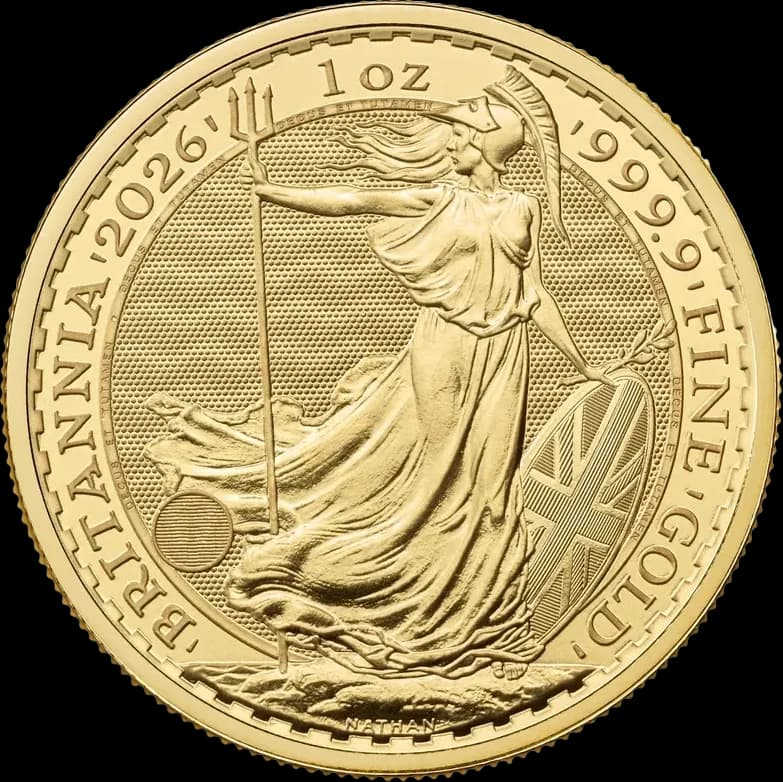
Record recognised coins or enter an item manually. Quantity, gross weight, purity, provenance, purchase context and private notes stay attached to the physical holding.

02 / Catalogue
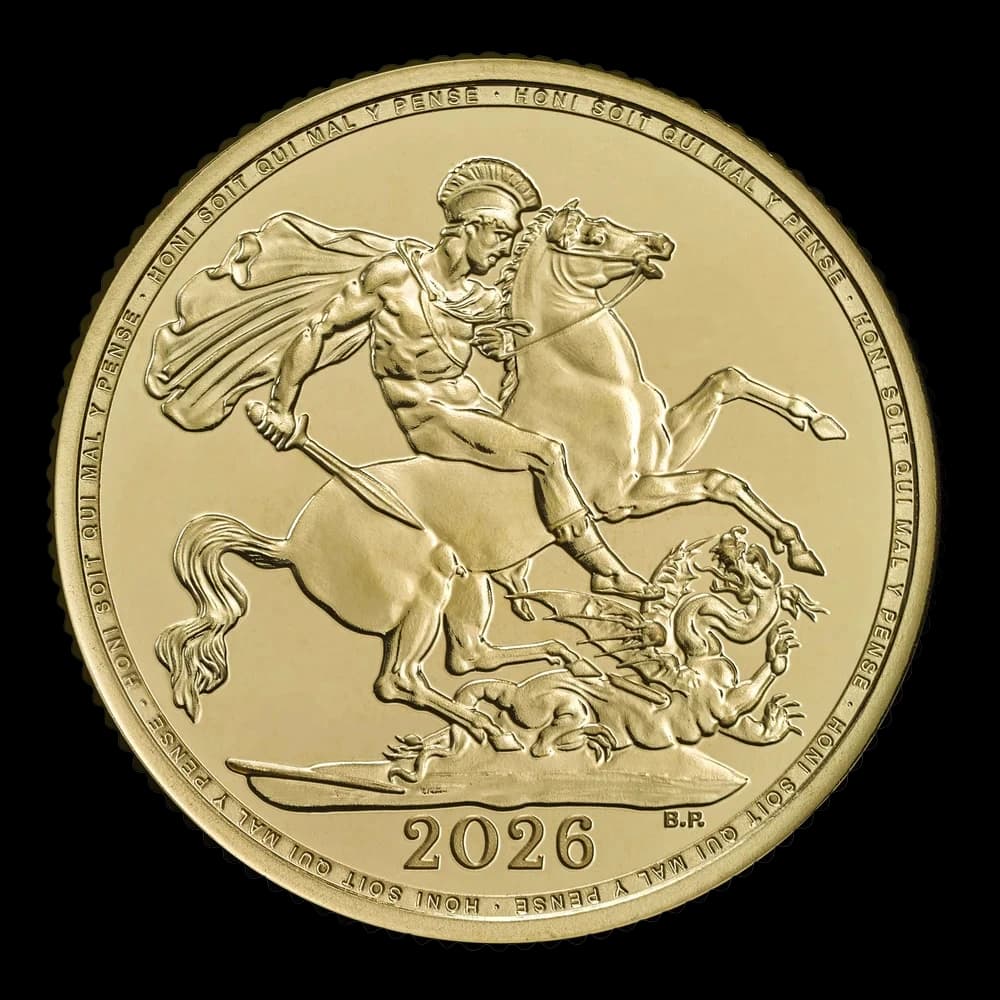
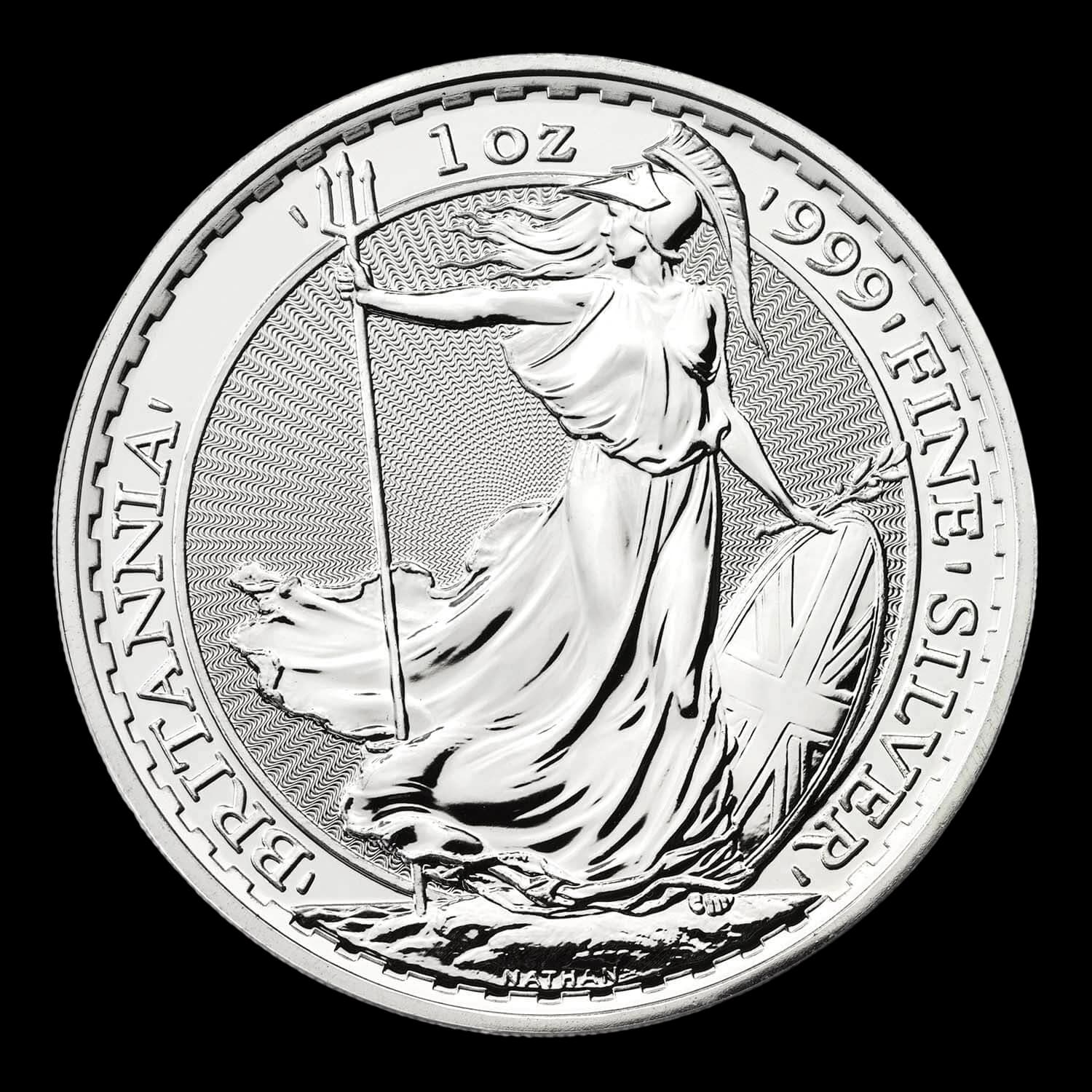
Search families, mints or sizes, then take a verified snapshot into a private holding. The object on the device stays yours even as the catalogue evolves.
Search by metal, product family or mint.
Use the specification that applies to the selected year.
Your holding stays stable even as the catalogue evolves.
03 / Daily instruments
The collection is both a list of physical things and a single estimated value. Filter the objects; then read the allocation they form.
Search the collection, sort it, and filter by gold, silver, platinum or palladium, then by coin, bar, round, jewellery or scrap. Each row keeps quantity, gross weight, fine ounces and estimated change beside the object.

One total from the latest available spot, a history estimated from current holdings, acquisition cost, and a clear split across the metals you actually hold.
04 / Spot
Spot is quoted per fine troy ounce. Inspect the history, then read the same ounce through karat and purity so a 22K piece is never priced as if it were 24K.

05 / Fine weight
Troy Ledger uses precise decimal arithmetic for physical and financial calculations. Overrides remain explicit when a real-world item does not fit the standard formula.
From physical fact to portfolio view